Why Senior Living Needs a Care Management System, Not Just an EHR
There is a question that sits underneath nearly every conversation about senior living technology, and most people in the industry have quietly stopped asking it because the answer feels too obvious: What is the EHR actually supposed to do?
The accepted answer is not wrong: document what happened, store what was assessed, satisfy the surveyor, generate a printable form. It is simply incomplete. And in 2026, with assisted living residents presenting clinical profiles that would have required skilled nursing placement a decade ago, incomplete is no longer acceptable.
This is not an argument about software categories. It is an argument about what care management actually requires when the resident down the hall has a complex psychiatric history, takes eleven medications, has fallen twice this quarter, and is being supported by a team of compassionate, dedicated caregivers who are not credentialed to independently manage any of those variables. That is the real environment in which senior living operates today. The question is whether the technology serving those communities is designed to help, or simply designed to record.
What Is Happening to the People Moving Into Assisted Living
The shift in resident acuity over the past five to seven years is unmistakable. Individuals who once would have been directed to skilled nursing are now choosing, and being accepted into, assisted living because the care model has evolved, families prefer it, and regulatory frameworks have adapted.
What has not consistently evolved is the clinical infrastructure required to support these residents. Specifically: the assessment and care‑management processes that translate a complex clinical picture into actionable, shift‑by‑shift instructions for the people who will actually be in the room.
Consider the direct care worker, the med tech, CNA, or personal care aide, supporting a resident with moderate dementia, significant anxiety, and a predictable pattern of sundowning behaviors. That worker has genuine care skills. What they typically do not have is a clinical framework for understanding how those variables interact, a protocol for responding when one escalates, or the training to make independent judgment calls in real time.
That framework has to come from somewhere. In a modern care management system, it comes from the assessment. And in senior living today, Eldermark is the platform that puts that philosophy into practice.
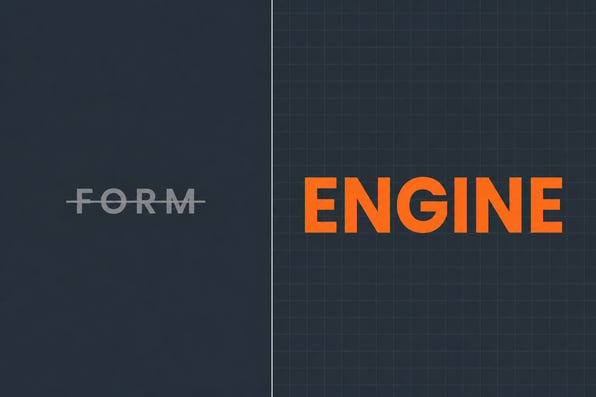
The Assessment as Engine, Not Archive
The failure mode of most EHR platforms is structural: they treat the assessment as a documentation artifact. A snapshot. A form. A record to be filed and closed. The assessment is completed, the boxes are checked, the form is signed, and the resulting care plan is often a formatted list that changes little until the next quarterly review.
This is not a criticism of the clinicians completing assessments. It is a limitation of the tools they are given.
A documentation oriented EHR
Captures the history. Files it. Waits for the next quarterly review.
A care‑management system
Observes, scores, and acts — generating instructions for every shift, every caregiver, every moment.
A care‑management assessment does something fundamentally different. It observes, scores, and then acts, translating clinical findings into specific interventions, generating the instructions that tell caregivers not just what a resident needs, but how to respond when something changes, what to watch for, and when to escalate.
This is the distance between the nurse's clinical judgment and the two‑in‑the‑morning moment when a resident is wandering the hallway. Eldermark is designed to close that distance.
With Eldermark's configurable assessment engine, findings automatically map to interventions, populate the service plan, and flow directly into daily workflows. The intelligence captured during assessment becomes the intelligence guiding care. And, importantly, if there are fees associated with care services, Eldermark's design links the care services to its billing platform to ensure earned revenue is captured for the invoice.
That is the difference between a health record and a care management system.
The Problem of Uncredentialed Care at Rising Acuity
There is a workforce reality in assisted living that deserves more direct acknowledgment: the staff providing the majority of hands‑on care are not clinically credentialed in the domains most relevant to today's resident population, especially for:
These are clinical disciplines with evidence bases, protocols, and in many settings, licensed professionals who specialize in them. In assisted living, these responsibilities often fall, by necessity, to both licensed and unlicensed assistive personnel doing their best with what they have.
When what they have is a care plan note that says "resident may be anxious at times: provide reassurance," they are being asked to make clinical decisions without a framework. This is not a staffing failure. It is a care‑management infrastructure failure. And it is precisely the gap Eldermark was designed to close.
Eldermark's assessment engine, intervention mapping, and care‑planning automation extend clinical judgment to every shift, every caregiver, every moment, even when the nurse is not in the room.
What a Care‑Management Assessment Looks Like in Practice
Mental and Behavioral Health
A resident arrives with a history of depression, anxiety, and past substance misuse. Within the intake workflow, the nurse conducts a thorough assessment, but the nurse and the daily caregivers are not mental health practitioners.
A documentation‑oriented EHR captures the history. A care‑management system like Eldermark does something more.
Eldermark's multi‑domain behavioral health assessment evaluates cognitive function, depression, anxiety, behavioral symptoms, psychosis risk, suicide risk, substance use, and sleep using evidence‑based scoring frameworks. When a domain crosses a threshold, Eldermark automatically generates targeted interventions and service plan items aligned with best‑practice protocols. The med tech walking into that resident's room at 7 a.m. is not relying on a generic note. They have clear, resident‑specific instructions: what to watch for, how to respond, and when to escalate. The nurse's clinical judgment is extended across the entire care day.
Fall Risk
Falls remain one of the most costly, litigated, and preventable adverse events in senior living. Most EHRs produce a fall‑risk score. Most care plans respond with "monitor closely," or, "safety checks."
"Monitor closely," and, "safety checks," are not a care plan. They are aspirations.
Eldermark's fall‑risk engine evaluates multiple validated domains: history, gait, cognition, medications, toileting patterns, sensory risk, environment, functional status, fear of falling, and injury‑severity modifiers. Each domain triggers an intervention map that auto‑populates the service plan with actionable, specific care instructions:
And because Eldermark's assessment data feeds its predictive analytics engine, the system identifies residents trending toward elevated fall risk before an incident occurs.
The Continuum of Intelligence
Technology does not replace clinical judgment. It extends it. Eldermark takes the clinical intelligence encoded in evidence‑based tools, validated risk frameworks, and best‑practice protocols, and makes that intelligence available, in real time, at the point of care, to every person interacting with the resident.
This matters most in the moments when the trained clinician is not present. In assisted living, that is most of the time.
The caregiver responding to a distressed resident at two in the morning should not be guessing whether they are seeing a medication side effect, a behavioral expression of anxiety, delirium, or the precursor to a fall. They should have a care plan that tells them:
That level of specificity is only possible when the assessment is designed to generate it, and when the platform is designed to operationalize it.
A Different Standard for a Different Environment
Senior living is not the same industry it was ten years ago. The residents are more complex. The regulatory expectations are higher. The staffing challenges are more persistent. The gap between what care requires and what caregivers are credentialed to provide has widened. The technology serving this industry must reflect that reality.
An EHR that documents what happened is foundational. A care management system that translates assessment into operational intelligence and keeps refining it through predictive analytics, dashboards, and workflows, is what the current environment demands.
The assessment has always been the foundation of good care. The question now is whether the assessment is being used as a form, or as an engine. Eldermark was built to be the engine.
Ready to see how Eldermark turns assessments into action?
Schedule a personalized demo and see how works in practice, for your community, your team, your residents.
Schedule Your Demo →Get Awesome Senior Living Content Delivered Straight to Your Inbox!
Posts by topic
.png?width=596&name=Blog%20Part2%20Images-selection%20(3).png)