Turning Compliance Into a Competitive Advantage in Assisted Living
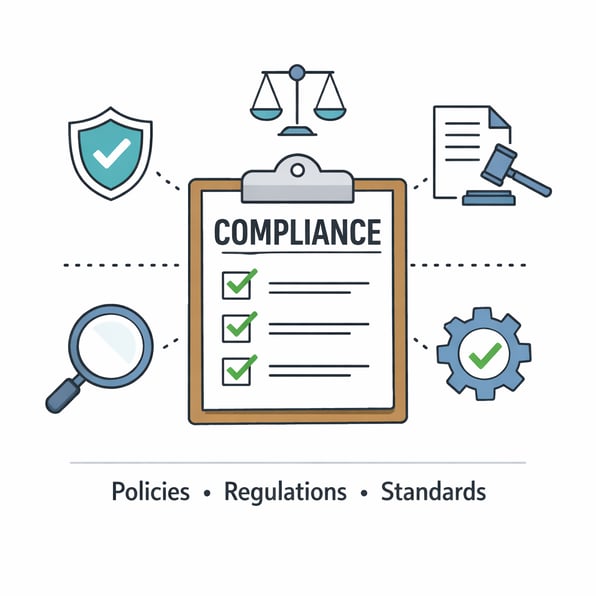
For many assisted living operators, regulatory compliance feels like a never-ending checklist. It gets done because it must — but it's more about ticking boxes than creating a meaningful business priority. Forward-thinking senior living communities know something different: when managed well, compliance is a key performance indicator. It reflects the quality of care your team delivers, the trust families place in your community, and the credibility you hold with referral partners and regulators alike.
The right senior living software can be your best investment — transforming compliance from a reactive burden into a seamless daily process. Compliance doesn't have to be a headache. When handled properly, it protects your residents and builds your reputation.
Why Compliance Is Central to Your Community's Success
Of course, you want to avoid penalties and disciplinary action — but compliance isn't just about busy work. Proper compliance is directly tied to occupancy rates, financial performance, and long-term reputation. When your documentation is accurate, your care plans are current, and your processes are transparent, you send a clear message to families, regulators, and referral partners that your community holds itself to the highest standard.
Strong compliance practices protect resident rights and well-being — both non-negotiables in long-term care. Whether you're navigating state regulations, department of health requirements, or the nuances of dementia care and medication management, consistent regulatory readiness demonstrates trustworthiness and commitment to high-quality care. For investors and partners, that kind of credibility is invaluable.
The Risks of Managing Compliance Manually
Without the right tools, compliance becomes an exercise in futility. Many assisted living communities still rely on outdated, manual methods that eat up time and leave them vulnerable to costly oversights. Here's what's at stake.
In a sector as regulated as senior living, the cost of manual compliance is more than administrative. It's clinical, financial, and reputational. Electronic forms and digital compliance workflows change that equation entirely.
How Software Simplifies and Strengthens Compliance
The right senior living software doesn't just digitize your paperwork — it fundamentally changes how compliance is managed across your community. By embedding compliance into daily workflows, these tools make regulatory readiness a natural part of operations rather than an afterthought.
The result is a community where compliance is a built-in process — not an overwhelming burden.
Turning Compliance Data Into a Strategic Advantage
Many operators think of compliance data the same way they think of other documentation: file it and forget it. But in the right hands, that data becomes a powerful tool for improving operational efficiency, managing risk, and building stakeholder trust.
Benchmark Operational Performance
Compare performance across sites, departments, and time periods. Identify what's working — then replicate it across every community you operate.
Identify Risks Before They Escalate
Real-time analytics surface patterns in incident reports, infection control, and care documentation before small gaps become survey findings.
Showcase Outcomes to Build Trust
Strong survey results and consistent care documentation become marketing assets. Compliance transparency gives prospective families the confidence to choose your community.
How Eldermark Helps
Eldermark is purpose-built to help assisted living communities manage compliance. From automating documentation to tracking incidents and tasks in real time, Eldermark keeps your leadership team audit-ready without adding to your administrative burden.
Integrated services like EHR and eMAR connect operations and compliance, so you can automatically monitor and accurately track the data your community is generating. Centralized dashboards give operators visibility across all locations and departments — so nothing falls through the cracks. When a state agency or department of health comes knocking, you're ready to answer with confidence.
This consistent visibility does more than protect against non-compliance. It improves the overall quality of care, supports staffing retention, and builds the relationships that contribute to occupancy. With the right tools in place, compliance becomes a true competitive edge.
Want to go deeper? Download our free ebook on navigating regulatory compliance with senior living software.
Turn Regulation Into Reputation With Eldermark
Regulatory compliance will always be a fundamental responsibility in senior living. But with support from Eldermark NEXT, it becomes more than that. It becomes a reflection of your community's commitment to excellence, safety, and well-being. When compliance runs smoothly, you gain back the time your staff needs to focus on what really matters: delivering high-quality, personal care to every resident.
See how Eldermark helps turn regulation into reputation.
Connect with our team and see the platform in action.
Schedule a Demo →Frequently Asked Questions
Still have questions? We've got answers:
The most common compliance risks in assisted living include paper-based documentation errors, disconnected systems that create information gaps, and missed deadlines for service plans or staff training requirements. Any of these can result in survey deficiencies, regulatory penalties, or loss of family trust.
Senior living software automates compliance workflows — including point-of-care documentation, real-time alerts for overdue tasks, and centralized reporting across departments — so your team stays audit-ready every day, not just before a survey.
Yes. When consistently tracked, compliance metrics let operators benchmark performance across sites, identify clinical risks before they escalate, and demonstrate strong outcomes to families and referral partners.
Communities that pass surveys with minimal deficiencies don't prepare two weeks before the date — they maintain accurate, real-time documentation year-round through integrated EHR and eMAR systems that flag gaps automatically.
Manual compliance management costs senior living communities in three ways: administrative time lost to paperwork, clinical risk from documentation gaps, and reputational damage when errors surface during a state survey or family complaint.
Get Awesome Senior Living Content Delivered Straight to Your Inbox!
Posts by topic