What Quality of Life Truly Means for Today's Assisted Living Residents
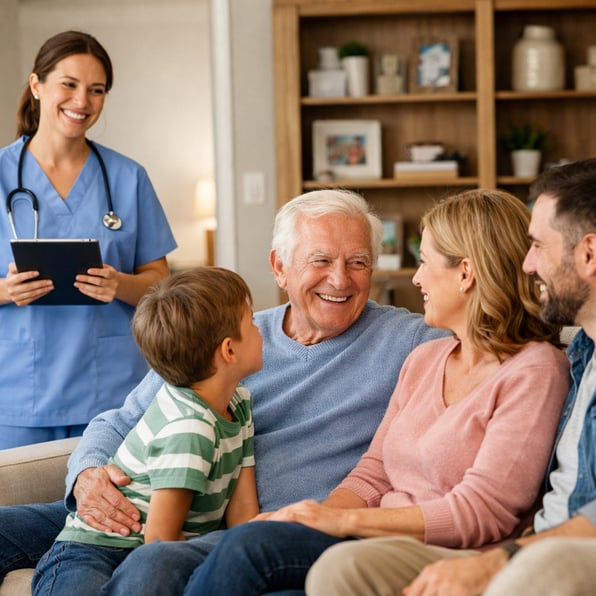
As older adults age, they often begin to consider how they wish to spend their remaining years and where they wish to spend them. While many choose to remain in their home as long as possible, many others make the decision to move into assisted living communities, where they'll receive dedicated senior care and increased peace of mind about their safety and well-being.
Quality of life is a critical measure for seniors and their loved ones as they transition into long-term care. But what does quality of life mean in modern times, and how can senior living communities work to improve it?
Why "Quality of Life" Is the True Measure of Assisted Living Success
When seniors move into assisted living communities, the goal isn't simply to survive — it's to thrive. Older adults today are considered a vulnerable population, with increased health risks, a likelihood of experiencing social isolation, and age-related financial instability. But in the right environment, and with the right care, they can experience a lifestyle that offers more than the basics — health and safety — but also autonomy, independence, social engagement, dignity, and happiness.
Together, these characteristics add up to an elevated quality of life, a marker of success for most senior living communities.
The Traditional View of Quality of Life and Why It's No Longer Enough
In the past, quality of life in the senior living space usually referred to residents having their basic needs met:
This includes ensuring residents receive the medical care they need, as well as assistance with coordinating custom care plans across providers. It may also include care options for residents in cognitive decline such as memory care.
Residents should always be made to feel safe in their community, whether they're in a shared space or in their own living area. This can include accessibility, facility security, emergency systems, and much more.
In the assisted living environment, it's likely that many residents will need support in completing activities of daily living (ADLs) including bathing, dressing, toileting, eating, and more.
All of these needs are still vital when measuring quality of life, but they are no longer the only standards. Seniors today are technologically savvy, active on social media, and, along with loved ones and family members, are excellent advocates for their own well-being. In order to meet their increasing expectations, senior living operators will need to raise the bar on what "quality of life" actually encompasses.
The New Pillars of Quality of Life in Assisted Living
Seniors in assisted living run the gamut in terms of physical, social, and emotional needs. They are still largely independent, though they may require some help with daily tasks. To these vibrant, active older adults, quality of life is a concept that represents much more than physical safety and health. In fact, a recent study expanded the definition of quality of life to include physical spaces, relationships, and what it means to feel "at home." What does quality of life mean to seniors in assisted living today?
Emotional Well-Being and Mental Health
Seniors, caregivers, and family members are more aware today that healthcare is about much more than physical well-being. It now includes emotional and mental health. To meet emotional needs, senior living communities must be ready to actively engage residents, monitor moods, spot behavioral patterns, and be aware of cognitive changes. To that end, communities should place more emphasis on resident engagement and enrichment, whether that includes outings and social activities, regular connection and communication with loved ones, or simply conducting frequent mental health check-ins.
Autonomy and Personalized Care
Seniors value being able to make their own choices regarding their care, but they also want to have a say in some of the daily activities many of us take for granted: when they wake up, when they have mealtimes, what they eat, which activities they want to participate in, and so on. It's possible for assisted living communities to prioritize resident choice, especially with the rise in new technologies that support automation and independent decision-making.
Connection and Belonging
Social isolation and loneliness are major challenges for seniors in long-term care settings. Prioritizing their social wellness is a meaningful way to boost quality of life. Fostering peer-to-peer relationships is a great place to start, but you can also look at ways to incorporate intergenerational programming, create a family portal to keep loved ones connected, or plan engaging activities that create deeper social interaction.
Purpose and Meaningful Engagement
Social connections aren't the only avenue to building a better and more fulfilling experience for residents. Encourage residents to discover new hobbies or find comfort in familiar activities. Help connect them with volunteer opportunities that give them a greater sense of purpose. Finally, remember that learning never stops, and no resident is too old to pursue educational opportunities. Keeping their minds and bodies stimulated and engaged can promote better health and a greater quality of life.
Physical and Cognitive Vitality
Health and wellness will always be key to having an excellent quality of life. For residents grieving a perceived loss of independence, help them find new ways to feel in control — support them in choosing their own nutritious meals, starting a doctor-approved fitness routine, or exploring the latest wearable or smart home technology for health monitoring.
How Technology Is Powering a New Approach to Quality of Life
Today's seniors are more comfortable with the latest technology than ever before, and they're more likely to expect that your assisted living community will leverage advanced technology to provide high-quality care and services. How does technology add to the benefits of assisted living?
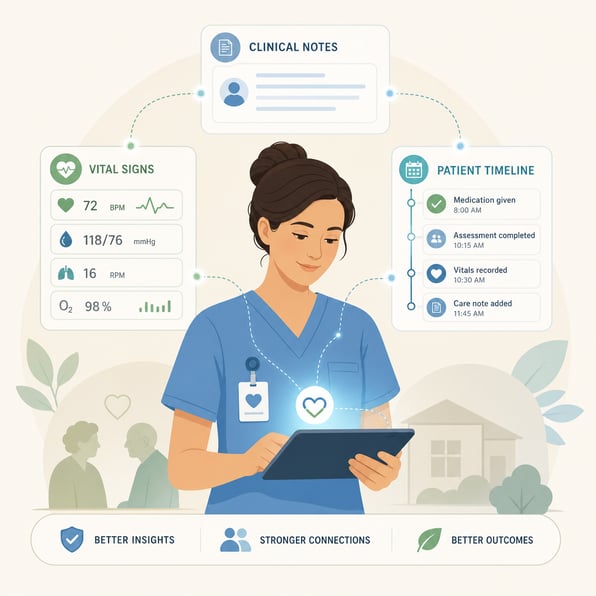
Wearable health monitors track vital signs in real-time to alert staff if there are unexpected health issues.
Video chat allows seniors to connect more regularly with loved ones via a family portal.
Voice assistants on their devices can assist with everything from medication management to social interaction.
AI companions help residents with Alzheimer's disease or cognitive impairment to feel safer, while notifications alert staff of any concerns.
Comprehensive senior living software collects your community's data so you can analyze KPIs, spot trends, and make quick, informed decisions.
Electronic health record (EHR) integration with CRM and resident engagement tools ensure you get a high-level view of your community's performance whenever you need it.
How Eldermark Supports Whole Person Quality of Life
Raise the level of care across your assisted living community with an end-to-end software solution purpose-built for senior living. With Eldermark, you can streamline your internal workflows to create more efficiencies, allowing your staff to prioritize personalized, one-to-one care. Integrate your EHR and eMAR with CRM and resident engagement for a comprehensive platform that places quality of care and quality of life front and center. Here's how:
Eldermark NEXT
Connects your EHR and eMAR for improved operational efficiency, stronger compliance, and unbeatable analytics.
Eldermark Engage
Supports community programming for social interaction, and the family portal keeps loved ones in the loop.
Partner Integrations
Like eMenuCHOICE and ServiceTrac allow you to link platforms for senior dining, resident feedback, and much more.
ElderSmarts Analytics
Leverages cutting-edge AI to provide the metrics you need to track to identify trends and make informed decisions for the good of all residents.
Redefine Quality of Life With Eldermark
Ready to see how Eldermark can give your residents' quality of life a big lift? Help them find more meaning in their golden years and assure family members their senior loved one is in the best hands with Eldermark NEXT. Our full suite of tools and services can improve your operational efficiency and get your staff back to doing what matters most: caring for residents. Getting started may be simpler than you think. Schedule your free demo today and see our senior living solution in action.
→How EHR Data Supports Quality of Life
Ready to Build Stronger Communities?
See how Eldermark helps senior living operators prevent problems before they start.
Connect with our team and see the platform in action.
Schedule a DemoFrequently Asked Questions
Still have questions? We've got answers:
Quality of life in assisted living goes beyond basic health and safety — it encompasses emotional well-being, social connection, autonomy, and meaningful engagement. Senior living communities that prioritize these pillars help residents truly thrive, not just survive.
Assisted living communities can improve resident quality of life by investing in personalized care plans, resident engagement programming, family communication tools, and technology that supports both independence and safety.
Technology improves quality of life for seniors in assisted living through tools like wearable health monitors, AI companions, electronic health records (EHR), and family portals that keep residents safer, more connected, and better cared for.
Senior living software like Eldermark connects EHR, eMAR, resident engagement, and analytics in one platform — helping operators deliver consistent, high-quality care while improving operational efficiency.
Get Awesome Senior Living Content Delivered Straight to Your Inbox!
Posts by topic